Om Baisikeli
Baisikeli betyder cykel på swahili. Baisikeli forbedrer livskvaliteten for verdens fattigste gennem bæredygtig transport, deraf sloganet “Bikes for a Better Life”.
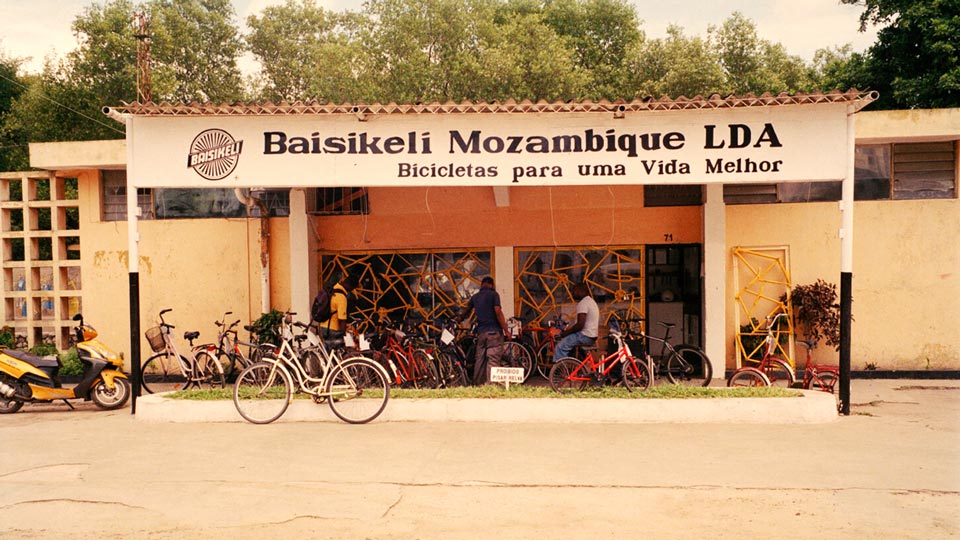
Baisikeli indsamler brugte cykler i Danmark, som sendes til Mozambique, hvor cyklerne skaber arbejde, uddannelse samt bedre og billigere transport for vores kunder. I Danmark finder du Baisikelis butikker på Vesterbro, i Valby og Slangerup, hvor vi sælger og reparerer nye og brugte cykler samt lejer cykler ud.
Social innovation
Baisikelis definition på social innovation er at aktivere ubenyttede ressourcer. Vi skaber rammerne for at udnytte disse ressourcer. Varer, der et sted har lille eller ingen værdi, kan have en enorm værdi et andet sted i verden. Ved at flytte, forandre eller tilføje ressourcer aktiverer vi noget, der ellers ville være spildt. På den måde stræber vi efter at gøre en forskel for alle de liv, vi er i kontakt med – og derved skabe en forskel i verden.
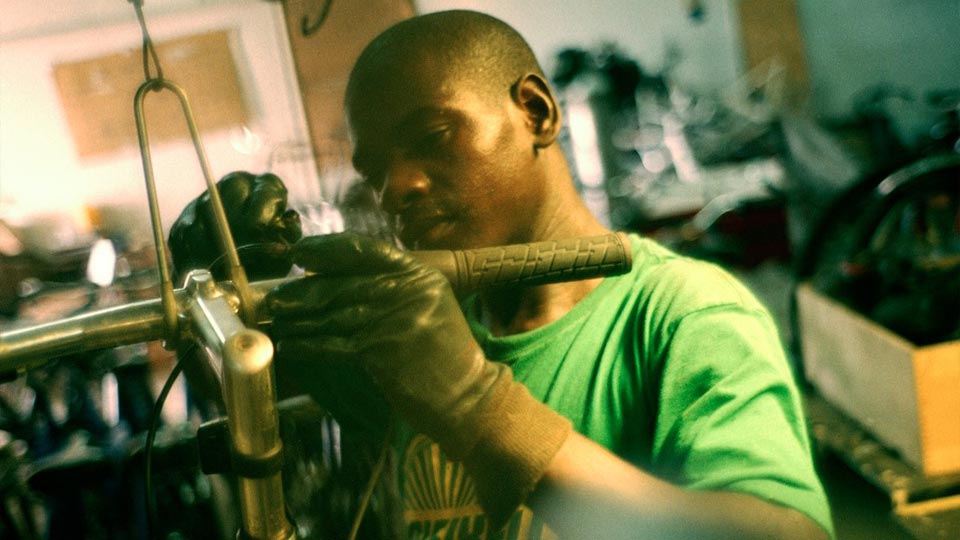
Vi har også set, hvordan en cykelambulance på en lægeklinik i en lille landsby kan skabe lægebehandling i op til 20 omkringliggende landsbyer.
Vi har altså set, hvordan cykler kan skabe et bedre liv. Derfor er vores formål og vores vision at gøre cyklen tilgængelig for verdens fattigste gennem udvikling af en bæredygtig, lokalt forankret cykelindustri.
I dag er alle solgte cykler i Østafrika importerede. Det skaber en masse fordyrende mellemled, og desuden er cyklerne ikke designet til det afrikanske behov. Derfor ønsker Baisikeli at opbygge en bæredygtig cykelindustri i Afrika. Vi er startet i Beira i Mozambique og er stærkt målrettet på at der skal ligge en eller flere Baisikeli forretninger i alle større østafrikanske byer.
Vi vil med Baisikeli skabe en cykelproduktion af kvalitetscykler og en detailkæde med højt serviceniveau til alle, skabt i Afrika til Afrika.
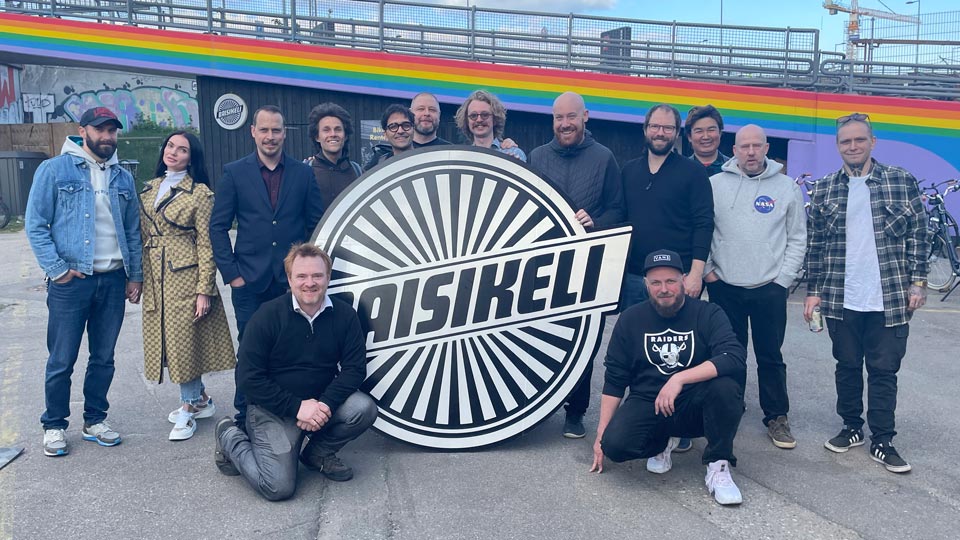
En del af vores medarbejdere i Danmark, til personalefesten i April 2022.
Medarbejdere i Danmark
- Cargo: Elias, Jon, Mikki og Werner
- Valby: John, Mikkel, Oscar og Ugis
- Vesterbro: Christian, Gonzalo, Linus, Manuel og Michael
- Slangerup: Claus, Danny, Innuteque, Kim, Laurits, Misha, Niels og Niels (Direktør)
- Transport: Leif, Peter og Ørn
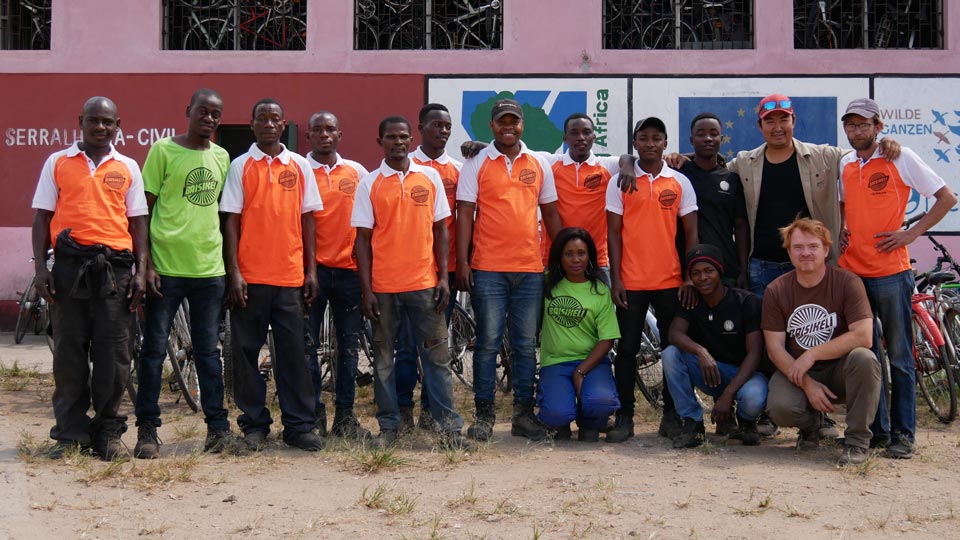
En del af vores medarbejdere i Mozambique i September 2019.
Medarbejdere i Mozambique
- Beira: Arone, Claudio, Gomes, Ibraimo, Jan, Lizeth, Nelson, Paulino og Paulo
Principper
Vores arbejde er baseret på fire grundlæggende principper:
- Vi benytter ellers spildte ressourcer – dette er kerneprincippet i Baisikelis forretningsmodel.
- Vi geninvesterer de penge, vi tjener i Danmark i cykelværksteder i Afrika.
- Vi er et økonomisk bæredygtigt projekt, som sætter skub i cykelindustrien i Afrika
- Vi udfører et ordentligt stykke arbejde.
Partnere